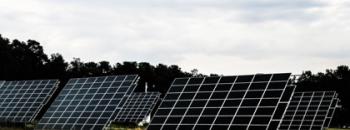
Demonstration of Affordable, Comfortable, Grid Integrated Zero Net Energy Communities
The project goal is to foster customer adoption of scalable, cost-effective zero net energy communities.
Electric Power Research Institute, Inc.
Recipient
Palo Alto, CA
Recipient Location
13th
Senate District
23rd
Assembly District
$4,500,129
Amount Spent
Completed
Project Status
Project Result
The project is completed and the final report is available on the CEC website. The project demonstrated cost competitive ZNE design strategies solutions to create a new pathways for residential ZNE communities.
The project involved collecting both quantitative and qualitative data to understand opportunities and challenges for scaling up solutions that enable zero net energy communities in California. Energy consumption, carbon impacts, and energy bills were all analyzed through data collected from the project sites, including customer and occupant perceptions. The main results of this effort are summarized below:
Construction:
o Zero net energy communities are technically feasible and can be built at cost parity – potentially even more cost competitive than dual fuel alternatives.
o Available construction trades and trade acceptance (critical for adoption) were limited – proper workforce development and training are still needed.
Homebuyer and Renter Perceptions:
o Zero net energy communities provide features that appeal to homebuyers and renters.
o Non-energy factors are still main drivers of overall homebuyer and renter decisions. o Education on costs and benefits of zero net energy communities and building electrification technologies could help drive stronger market pull for these communities.
Data Analysis from Operational Data from Zero Net Energy Communities:
While, in general, the deployment of advanced electrification technologies when deployed as a “zero net energy system” shows overall bill savings compared to a dualfuel California home, there are instances where electrification could have negative impacts on the occupant or whomever pays for the energy bill. It is important to continue to gather operational data to better help stakeholders understand what technologies and features of community development are impacting energy consumption. Tighter coordination is needed to improve design, planning, and interconnecting distributed energy resources such as rooftop solar and storage. Rate structures need to be assessed so that unintended energy burden is not placed on disadvantaged communities in California’s transition to electrification.
The Issue
California's zero net energy and global climate change goals will require a huge increase in building and end-use system efficiency. The immediate goal of all new homes to be zero net energy by 2020 will require a better understanding of cost effectiveness, technical feasibility and operational performance. Large scale field demonstrations that show integrated technology pathways in multiple climate zones are needed to demonstrate cost effectiveness, monitor and verify energy and cost savings and other benefits, and evaluate new technology and integration strategies, such as community solar and impacts on the distribution grid.
Project Innovation
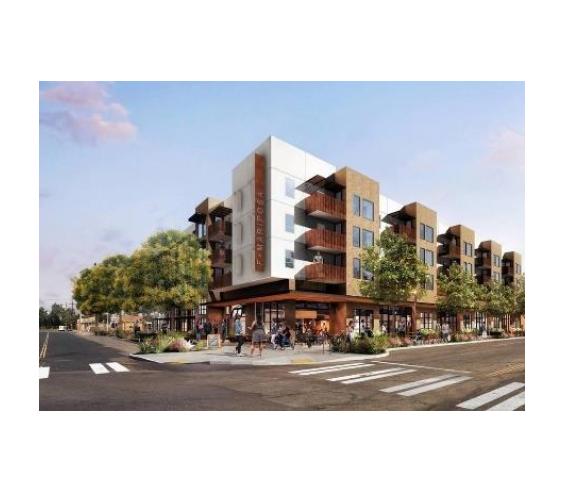
This project demonstrated cost-competitive ZNE design strategies that combine occupant needs with technology solutions to create new pathways for residential ZNE communities. The strategies were demonstrated in single and multifamily buildings. The project's goals were to determine cost effectiveness for the customer, affordability, overcoming customer apprehension, establishing a track record of new technology for builders, enabling distribution grid integration, creating a planning process for ZNE communities, evaluating community solar and evaluating the impact of future changes to ZNE cost effectiveness. This project also assisted with understanding the operation and energy use of the unregulated loads.
Project Goals
Project Benefits
The research conducted provided new methodologies for integrating occupant and technology needs into a cost effective and scalable zero net energy (ZNE) strategy. The project analyzed and defined the savings and market barriers in residential communities and provides new, valuable performance data and models from the demonstrations. The products from this research identified the successes and barriers to meeting the ZNE goals for residential communities.

Affordability
Zero net energy homes could result in significant savings in utility bills, resources, operation and maintenance, energy, and greenhouse gas emissions. Both ratepayers and utilities benefit from implementing ZNE residential communities.
Key Project Members

Ben Clarin
Herb Yaptinchay
Subrecipients

New Buildings Institute, Inc.
BIRA Energy
LINC Housing Corporation
TRC Engineers, Inc.
Resource Refocus LLC
UC Davis Energy Efficiency Center
Occidental Analytical Group
Gary Klein and Associates, Inc.
Frenso Housing Authority
Kliewer and Associates
Aron Developers
Hoffman Power Consulting
Match Partners
Electric Power Research Institute, Inc.
LINC Housing Corporation
Frenso Housing Authority