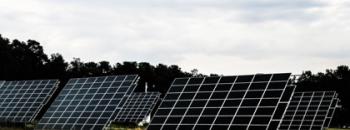
R3A08: Icarus Hybrid Photovoltaic/Thermal Solar Plus Storage Cogeneration System
Icarus RT, Inc.
Recipient
San Diego, CA
Recipient Location
40th
Senate District
78th
Assembly District
$223,039
Amount Spent
Active
Project Status
Project Update
In 2025, the Icarus RT project entered a major advancement phase, building on the strong progress documented in 2024. Icarus completed key technical milestones, including finalizing the heat extractor design, preparing for component manufacturing, and advancing testing validation activities. Prototype subsystems underwent thermal, hydraulic, and controls testing to support performance verification and readiness for UL precompliance evaluations
In mid 2025, the originally planned demonstration site, the Loma Verde Community Center, became unavailable. Icarus RT secured a new host site at California State University, Dominguez Hills (CSUDH).
The CSUDH central plant provides an ideal environment for demonstrating the full performance benefits of the Quartet PV/T system, due to its continuous campus level demand for both thermal and electrical energy. The MOU executed on December 15, 2025, outlines a collaborative partnership supporting installation, interconnection, and academic integration of the project.
The Issue
In 2021, the US solar industry installed 23.6 GWdc of new solar capacity (Wood Mackenzie, 2021). Despite the explosive growth of grid-tied solar energy and installed capacity, the industry continues to face challenges over available energy storage options and photovoltaic (PV) technology. PV panels remain highly inefficient, converting less than 21% of the solar energy that strikes each panel into electricity. This efficiency is typically measured under standard design conditions at an ideal temperature of 25°C. In the field, panels heat up well beyond design temperature each day, often reaching 65–80°C. As panels heat up, their performance drops approximately 0.4–0.5%/°C; the panels produce less power. Thermal cycling causes fatigue which reduces panel life and lifetime performance. In addition to PV inefficiency, there is a mismatch between daily solar energy output and utility peak power demand periods. Consequently, lithium-ion (Li-Ion) battery storage is growing; however, Li-ion batteries bring other challenges. In 2021, the National Renewable Energy Lab (NREL) predicted for 2030 that a middle-ground cost of a 4-hour Li-Ion system would be $198/kWh to install in addition to PV installation expenses (Wesley Cole, 2021). Furthermore, Li-Ion battery charging consumes PV output, reducing the economic return on the PV system. High costs and panel inefficiencies deter consumers from commitment to current solar plus storage technology.
Project Innovation
The Icarus Quartet integrates three energy functions in a single canopy footprint: (1) PV electricity to power campus loads, (2) solar thermal heat recovery with onsite thermal storage, and (3) direct support for CSUDH’s existing heat pump array. The PV/T canopy will be installed above the heat pump equipment, producing electricity to help run the heat pumps while delivering solar thermal energy that reduces the plant’s natural gas requirement—a high value, space efficient configuration tailored to the central plant. Modelled performance for the CSUDH scope is up to ~200 kW, delivering ~350 MWh of electricity and ~16,500 therms of thermal energy per year, with 12–18% PV efficiency gains from active cooling.
Equally important, CSUDH serves as a showcase environment: the university couples steady, real world thermal and electrical loads with recognized sustainability leadership (AASHE STARS Gold and multiple energy innovation accolades), creating high visibility and strong institutional alignment for replication across other campuses and commercial facilities. The installation doubles as a living laboratory, enabling student/faculty participation in data collection, controls optimization, and workforce development activities directly tied to plant operations.
Project Goals
Offset heat pump electrical load (PV generation serving the central plant)
Reduce natural gas heating demand (solar thermal energy to the plant).
Demonstrate integrated PV/T + heat pump operation (single footprint canopy with storage and controls).
Project Benefits
At CSUDH, the Quartet system is expected to raise PV output by 12–18% through panel cooling while providing ~16,500 therms/year of useful thermal energy—lowering both electricity and natura l gas consumption at the central plant. Combined, these impacts are projected to reduce campus greenhouse gas emissions by ~200 metric tons CO₂e annually and deliver operational savings aligned with CSUDH’s decarbonization strategy. As a live, instrumented platform on a major public university campus, the project will also provide academic and workforce benefits, giving students and faculty hands on access to performance data, controls strategies, and technoeconomic analysis of advanced PV/T systems.

Affordability
Affordability
The Icarus technology is expected to result in an average panel efficiency increase of at least 12%. For the 250-kW system being demonstrated in this project, this amounts to an additional 50,000-kWh generated annually with a value of $15,000 from improved efficiency alone. Icarus' technology can also provide on-demand hot water, which will displace energy required for electric water heating.

Reliability
Reliability
Icarus' technology increases panel efficiency during the hottest part of the day, which typically aligns with peak electricity demand hours, leading to a higher share of renewable generation during those hours.
Key Project Members

Mark Anderson
CEO & Founder
Icarus RT