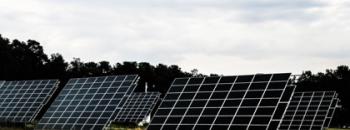
Richmond Advanced Energy Community Project
Zero Net Energy Alliance will develop and facilitate adoption of ZNE Reach Codes, a ZNE Ordiance, and an enhanced Building Energy Saving Ordinance (BESO) model.
Zero Net Energy (ZNE) Alliance
Recipient
Davis, CA
Recipient Location
3rd
Senate District
4th
Assembly District
$1,246,861
Amount Spent
Completed
Project Status
Project Result
This project completed in 2018. The project team developed and updated several tools to help the City of Richmond roll out strategies to deploy new clean energy technologies. This included developing a rating system to streamline the City's process for evaluating projects to finance. In addition, this included enhancing the capabilities in the Green Revolving Investment Tracking System to streamline the City's administration of Green Revolving Fund and the Social Impact Bond that will be used to finance the advanced energy projects being proposed.
View Final ReportThe Issue
Due largely to limitations and challenges in design, financing, available professional expertise, and scale-up strategies, zero net energy (ZNE) communities have not yet been developed at a large scale, or applied to infill development. The majority of ZNE buildings have been deployed in more affluent areas that can afford the initially steep ZNE learning curve and higher-cost early-stage technologies. Streamlining the regulatory and financing aspects of ZNE deployment can lead to significant increases in similar developments throughout California.
Project Innovation
This project provided technical assistance to the City of Richmond in the design and adoption of a comprehensive integrated policy and planning program, and a financing framework to facilitate adoption of advanced energy technologies needed to transform the City of Richmond into a ZNE Community. As part of this project, the project team identified unique challenges to disadvantaged communities and worked with local stakeholders, including the City of Richmond, to identify and implement specific strategies to overcome those challenges. These strategies will be piloted at the conclusion of this agreement as part of a redevelopment effort to convert 20 abandoned homes into affordable ZNE homes available for working families via the First-time Home Buyers' Program.
Project Benefits
Senate Bill 350 (2015) sets a 50 percent renewable energy standard and a goal of doubling energy efficiency savings by 2030. Local governments can play a critical role in achieving the goal by helping facilitate community-scale deployment of Integrated Distributed Energy Resources (IDER) such as energy efficiency, onsite renewables, demand response, and electric vehicles. This project will pilot innovative planning, permitting, and financing approaches and tools to help improve the business case for IDER adoption at the community-scale.

Consumer Appeal
Greater deployment of AECs will increase consumer familiarity and comfort with ZNE homes and communities, increasing the likelihood of consumers choosing to live in an AEC.

Affordability
Streamlined planning and permitting, as well as new financial models will lower the time and capital costs associated with AEC developments. This will make AECs more affordable for both developers and consumers.

Economic Development
This project will pilot new approaches that increase the financial attractiveness of community-scale IDER projects, which could lead to increased investment in the community.

Safety
Increased safety will be achieved by: identification of hazards and ventilation defects during energy assessments conducted as a result of adoption of the Building Energy Saving Ordinance, (BESO).
Key Project Members

Richard Schorske
Subrecipients

Energy Solutions International
All Business Machines, Inc. (ABMI)
City of Richmond
Olivine, Inc.
Marin Clean Energy dba MCE
Sustainable Endowments Institute
Sharon Tobar
Richmond Community Foundation
Stacey Hobart
Laura Manz
Dyett & Bhatia
Match Partners
Energy Solutions International
City of Richmond
Olivine, Inc.
Richmond Community Foundation