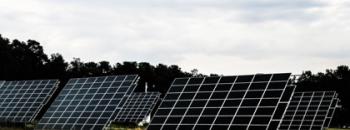
Port Hueneme Navy Data Center Microgrid
Adaptive Microgrid with Energy Storage, Synchronous Condenser, and with AC & DC Outputs

Electric Power Research Institute, Inc.
Recipient
Palo Alto, CA
Recipient Location
13th
Senate District
23rd
Assembly District
$3,992,138
Amount Spent
Active
Project Status
Project Update
In 2025, the project team completed site analysis for the permanent location for the transportable microgrid as previous testing and commissioning was completed at a temporary location. The system will be moved to the new permanent location on Navy Base Ventura County in 2026.
The Issue
Microgrids can experience system failures during transition between grid connected and islanded modes due to unstable voltage and frequency. Many of the controlling systems cannot recognize and respond to these events quickly enough to prevent failures. This is especially problematic for facilities that are sensitive to instabilities, such as data centers that require high power quality.
Project Innovation
The core innovation of this project is the design and demonstration of a transportable microgrid that includes equipment to prevent power quality issues that have been experienced on Navy Base Ventura County critical facilities. The ability to use the system at one facility and then relocate it to another location is another key innovation in the technology demonstrated in this project.
Project Goals
Project Benefits
This project is developing new approaches to microgrids that can ensure stable power to sensitive components, such as in data centers. The team will demonstrate a standardized microgrid, analyze and define the savings and market barriers, and provide new, valuable performance data that will be used to develop a viable market for future deployments.

Environmental Sustainability
The microgrid will help reduce greenhouse gas and other emissions associated with fossil fueled backup power generators that would otherwise be used more frequently on the base.

Reliability
The microgrid is capable of providing demand response and load flexibility to the grid to support reliability when there are generation shortfalls while as the same time supporting the critical facility during outages.
Key Project Members

Robert B. Schainker
Subrecipients

William J. Steeley Consulting Services LLP
Match Partners
Distributed Utility Associates
Electric Power Research Institute, Inc.
Schweitzer Engineering Laboratories, Inc.