Optimizing Solar Facility Configuration Effects on Habitat, Managed Plants, and Essential Species Interactions
This project will be one of the first to explore how energy facilities affect complex species interaction webs.

Regents of the University of California, Davis
Recipient
Davis, CA
Recipient Location
3rd
Senate District
4th
Assembly District
$586,208
Amount Spent
Completed
Project Status
Project Result
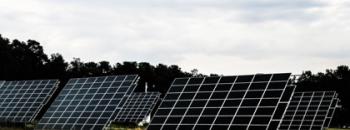
The project was completed in 2019. The photovoltaic-annual plant experiment studied the effects of solar panels on microhabitat from the effects of shade and enhanced runoff and how those changes affect the growth, survival, and reproductive success of native and invasive species. The results indicate that solar energy development in the Mojave Desert may have adverse impacts on some desert plants and that the level of impact may be regulated, to some extent, by informed site preparation and management practices. The concentrating solar-milkweed experiment found that plant-conservation islands, known as halos, are effective for Mojave milkweed conservation and maintenance of Mojave milkweed-queen butterfly trophic interactions, whereas blading sites was not. Several journal papers are in preparation or review.
The Issue
Habitat variation and changes to species interactions within and adjacent to energy installations may regulate impacts to species of concern, including rare and invasive species. Typical management planning for both rare and invasive species takes a single-species approach, and may overlook how species' responses change over the variation in micro-environmental conditions within energy facilities and mitigation areas. In addition, altered species-interactions may drive long-term failure or success of species in landscapes modified by renewable energy development and operation.
Project Innovation
This research implemented field-based experiments to quantify how microhabitat conditions vary across solar energy facilities. It then examined how those variations in microhabitat affect rare plants, invasive plants, and sensitive insects. Researchers determined how habitat variation affects target plant species and their essential species interactions, including herbivory, predation, and pathogens. The results lead to a series of management recommendations for siting new renewable energy facilities and their operation.
Project Benefits
This project provided methods to improve understanding of the environmental impacts of solar energy facilities caused by direct changes in microhabitat or by site preparation treatment. It also enhanced the ability to predict and overcome costly invasions of non-native plants. It is one of the few studies that has considered the effects on species interactions throughout the food web, rather than just the effects on a single species.

Affordability
This research may reduce costs in the siting and deployment of renewable energy by assessing the benefits or ecological costs of different facility configurations, providing guidance for the design of future solar facilities and the cost-effective management of native and invasive species in existing facilities.

Environmental Sustainability
This research may benefit ratepayers by providing effective, efficient strategies for the management of state and federally listed species within and adjacent to energy facilities. The study will also inform facility managers about controlling invasive species in solar energy facilities.
Key Project Members

Rebecca Hernandez
Subrecipients

The Regents of the University of California, Santa Cruz
Sayleh Banks
Match Partners
Regents of the University of California, Davis
The Regents of the University of California, Santa Cruz