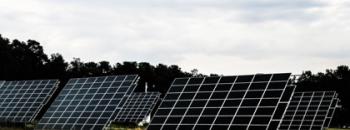
Modeling of Long-Duration Storage for Decarbonization of California Energy System
The project evaluated scenarios involving emerging storage and generation technologies to meet California's future energy goals.

The Regents of the University of California, Merced
Recipient
Merced, CA
Recipient Location
Senate District
27th
Assembly District
$994,261
Amount Spent
Completed
Project Status
Project Result
This project successfully assessed various scenarios to better understand the value of long-duration energy storage in meeting California’s zero-emissions target for retail sales of electricity in 2045, while exploring duration, cost, efficiency, and other attributes required for future energy storage. The project completed in 2024 and the final report is published.
View Final ReportThe Issue
To meet California's clean energy goals, low-cost solar and wind generation are a partial solution, but low-cost electricity is also needed when solar and wind generation are not available. While many new technologies show promise to provide the needed energy storage and demand management, their paths to market are uncertain. Modeling of California's energy systems requires extensive analysis of data including weather, geography, and the mixture of energy resources across the grid. The project's intent is to aid in identifying which actions to take and what the timing of those actions should be by studying the roles and cost targets of storage technologies.
Project Innovation
The project modeled the expansion of the grid using the SWITCH model and an improved version of the RESOLVE model which incorporates variable timesteps to allow full-year modeling. Modeling different grid scenarios, developed with feedback from industry experts, will help to define the role and useful cost targets for long-duration storage technologies as they are scaled to gigawatt levels.
Project Goals
Project Benefits
The project team developed scenarios to reach California's clean energy targets by updating modeling tools and analyzing broad datasets. Emerging LDES technologies are expected to have a critical role in achieving a zero-carbon grid by 2045, and understanding the interaction of LDES with other energy resources is an integral component of the study.

Economic Development
The project analyzed strategies for meeting future grid requirements involving emerging storage and generation technologies.

Environmental Sustainability
The pathway to SB100 goals identified by this project will accelerate the transition to a zero carbon energy grid, leading to a reduction in greenhouse gas emissions.

Reliability
LDES will serve a vital role in providing energy reliability in a deeply decarbonized grid with high penetrations of intermittent and variable generation. Energy storage with durations of 8 hours or more are capable of serving loads during prolonged periods of decreased renewable generation.
Key Project Members

Sarah Kurtz

Patricia Hidalgo-Gonzalez
Dan Kammen
Subrecipients

The Regents of the University of California, on behalf of the Berkeley Campus
The Regents of the University of California, on behalf of the San Diego campus
Match Partners
The Regents of the University of California, on behalf of the Berkeley Campus
The Regents of the University of California, Merced
The Regents of the University of California, on behalf of the San Diego campus