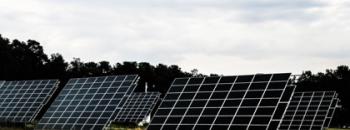
Lancaster Advanced Energy Community (AEC) Project

Zero Net Energy (ZNE) Alliance
Recipient
Davis, CA
Recipient Location
3rd
Senate District
4th
Assembly District
$2,805,873
Amount Spent
Active
Project Status
Project Update
In 2025, the Lancaster AEC project achieved several milestones. The project team completed the initial development of the Virtual Power Plant (VPP) platform and began integration with Lancaster Energy data systems. The team also completed design and engineering on three major community microgrids, including the Lancaster Police Station, which will feature 282 kW of rooftop and carport solar; and a 120 kWh Battery; the Lancaster Baptist Church, which will feature 1.4 MW ground-mount solar and 250kW rooftop solar, as well as a 560 kWh Battery to augment an existing 1MW Tesla megapack; and the Lancaster Toyota Dealership, which will include a 680 kW rooftop PV system and 636 kWh Battery, and enable potential integration of Vehicle-to-Grid enabled vehicles.
Additionally, a VPP Tariff was approved by Lancaster Energy and the Lancaster City Council, allowing residents to receive a flat-rate bill credit for integrating their DER assets into the VPP. Key challenges encountered include significant cost escalation, and timeline pressures due to the earlier cancellation of a large microgrid-enabled affordable housing project co-sponsored by the City of Lancaster and Bridge Housing.
The Issue
Local governments and cities will play a large part in reaching California's ambitious renewable energy goals. However, as cities move their energy mix to more renewable energy, they face new challenges. 100 percent renewables requires intelligent resource management to help balance the grid. There is a need for new public-private partnerships and business models that enable cost-effective implementation of zero net energy buildings, community-scale solar and storage, and other distributed energy resources. Finally, intensifying climate impacts have underscored the need to increase local resilience to grid outages by accelerating deployment of renewable microgrids.
Project Innovation
This project is deploying energy storage and microgrids at sites throughout Lancaster and integrating these DERs into a first-of-its-kind Virtual Power Plant (VPP). The project will demonstrate the power of local renewables, storage, and flexible load to balance the local grid, mitigate the duck curve, and provide valuable new grid services. All of these resources are being integrated into the Lancaster VPP, which will be deployed in tandem with an innovative flat rate VPP tariff. The Lancaster VPP will demonstrate how local load-serving entities can help mitigate the problem of solar over-generation and intermittency with economic DER solutions. In addition, the City of Lancaster has enabled low-cost deployment of the VPP/DERMS platform developed through this project (and its sister AEC project in MCE territory) by investing in a multi-site license to distribute the VPP/DERMS at low cost to other CCAs, and enable ongoing co-development of the platform with other CCAs adding features through an open development platform, similar in concept to the Linux Foundation approach to operating system development.
Project Goals
Project Benefits
This project will support the development and commercialization of technological advancements and breakthroughs that overcome barriers to the achievement of the State of California's statutory energy goals by demonstrating a virtual power plant that can optimize the value and improve the economic attractiveness of distributed energy resources. In addition, the project will act as a demonstration for promising technical solutions that will lower costs and provide superior operational value, including a side-by-side demonstration of flywheel and lithium-ion storage systems, as well as several deployments of modular microgrids.

Affordability
These developments will utilize an innovative VPP tariff and platform licensing model that minimizes up-front capital costs for other CCAs seeking to deploy Advanced Energy Community and VPP platform solutions.

Reliability
As Lancaster increases its reliance on distributed solar PV as a base load resource, the battery storage deployments and integration with the VPP will increase grid reliability and substantially mitigate reliability issues.

Safety
Lancaster is located directly over the San Andreas fault at the end of a long feeder line, which creates exceptional risk of long-term outages in the event of an earthquake, fire, or other emergency; and an urgent need for local resilience solutions.
Key Project Members

Richard Schorske
Subrecipients

Energy Solutions International
Olivine, Inc.
Gridscape Solutions, Inc.
TRC Engineers, Inc.
Blue Strike Environmental, Inc.
TerraVerde Energy LLC
Match Partners
City of Lancaster
Amber Kinetics, Inc.
Gridscape Solutions, Inc.
Blue Strike Environmental, Inc.
Lancaster School District