Environmental cost-benefit valuation of solar-over-water deployment in California
Project Update
The project kicked off in August 2025, and the Recipient has since completed their Draft Technology Readiness report and their Initial Shapefiles of canals to model potential siting of solar-over-canals. The Recipient is coordinating their first Technical Advisory Committee (TAC) meeting to be held in Q1 2026.
The Issue
Planning to meet California’s SB 100 policy goal at minimum cost entails the significant expansion of utility-scale PV capacity, yet faces several practical challenges including: 1) the large tracts of land needed for development may conflict with other land use priorities such as agriculture, wildlife conservation, cultural use, and recreation, leading to community opposition to project development; 2) the vast expanses of land required for solar development can require complex negotiations for land acquisition or leases, which can slow development timelines; 3) delays in the environmental permitting process and high litigation rates can slow development timelines; 4) the limited availability of transmission capacity to support interconnection to the grid; and 5) limited availability of water for construction and panel cleaning in locations with high solar resources in the southwest.
Project Innovation
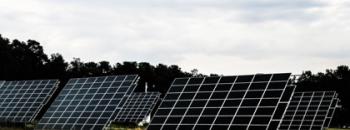
The Recipient will conduct a cost-benefit analysis to advance understanding of the value proposition of solar-over-water technologies and their potential role in contributing towards California’s SB 100 goals. The cost-benefit analysis will document the factors and conditions that may increase, decrease, or outweigh such benefits.
Project Goals
Project Benefits
This Agreement will result in the ratepayer benefit[s] of greater electricity reliability, and potentially lower costs to rate payers. This work will provide ratepayer benefits by studying how innovative solar-over-water systems can reduce the barriers to achieving the State’s statutory energy goals by quantifying the costs and benefits of these technologies. The estimated benefits to ratepayers include statewide potential electricity generation of up to 120,000 GWh per year, annual GHG emissions reductions of up to 40 MMT CO2e assuming FPV capacity displaces fossil gas capacity, and statewide annual NOx emissions reductions of up to 14,286 metric tons assuming FPV capacity displaces fossil gas capacity which can improve health and productivity. The combined land conservation potential of FPV and solar canals can save land for competing priorities such as food security, biodiversity, and recreation. Additionally, the combined water conservation potential of FPV and solar canals is nearly 912 billion gallons which is enough water to meet the residential needs of over 29 million people or to irrigate nearly 699,400 acres of farmland annually. Overall, monetizing the land savings, water savings, and other co-benefits could translate into lower electricity rates for ratepayers.

Affordability
Assess the effectiveness of solar over water technologies at reducing costs associated with land acquisition, site preparation, long permitting timelines, and habitat mitigation—since solar-over-water systems use already‑developed water infrastructure instead of terrestrial land. It can also lower grid‑interconnection costs and speed up connection timelines by leveraging existing hydropower or water‑agency electrical infrastructure.

Environmental Sustainability
Quantifies environmental benefits of solar over water technologies by avoiding land disturbance, which protects habitat, reduces biodiversity loss, and eliminates the need for compensatory mitigation normally required for utility‑scale solar projects.

Reliability
The project assesses reliability benefits of siting solar generation directly on canals and reservoirs, which can supply electricity closer to where it’s used—such as agricultural pumping or rural loads—reducing reliance on imported power and helping defer or avoid transmission upgrades.
Key Project Members

Subrecipients

Match Partners