Electrification of Industrial Processes with Sulfur Electric Thermal Storage
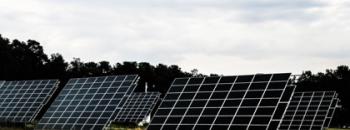
In this project, Element 16 technologies proposes to solve this problem and enable electrification of industrial processes through integration of a low-cost and dispatchable sulfur electric thermal storage (SETS) to renewable energy such as solar

Element 16 Technologies, Inc
Recipient
Glendale, CA
Recipient Location
25th
Senate District
52nd
Assembly District
$755,960
Amount Spent
Active
Project Status
Project Update
This project was completed in 2025. Element 16 completed an installation of a pilot-scale 1.5 MWh sulfur thermal energy system (TES) for testing and demonstration. The project team calculated that the levelized cost of heat was 3.94 cents/kWh as compared to 5.3 cents/kWh for process heat supplied by natural gas boiler only. The optimal configuration that minimized levelized cost of heat or maximized net present value combines a 14-hour sulfur thermal storage capacity with solar field sized at 2.5 times the design heat load. This system delivered 67 percent of annual heat demand from renewable and storage, of which 63 percent was enabled by the shifting of excess solar energy from day to nighttime by sulfur thermal storage, thus demonstrating the critical role of energy storage in providing reliable renewable process heat. Overall, the results indicate that large-scale sulfur electric thermal storage integrated with renewables offers a sustainable and economically viable solution for accelerating the decarbonization of industrial process heat.
The Issue
In California, process heating accounts for approximately 85% of industrial energy use, that is primarily provided by fossil fuel combustion. This usage contributes to roughly one-fourth of the state’s greenhouse gas emissions (GHG). As the prices of renewable electricity such as solar PV, wind, and electric equipment continue to drop, industrial electrification to meet heat demand offers cost-savings and GHG-emission-reduction opportunities.
Electrification of industrial processes does not require a fundamental change in the industrial process setup; but rather a replacement of equipment, such as a boiler, running on conventional fuel with a piece of electric heating option.
The primary challenge with the adoption of renewables remains intermittency and fluctuating generation that reduces its capacity factor. These fluctuations decrease reliability to supply stable, inexpensive, and on-demand heat, and increases the levelized cost of energy, which can be addressed through the development of a low-cost and dispatchable thermal energy storage.
Project Innovation
The project aims to enable electrification of industrial processes using renewable energy integrated with low-cost sulfur electric thermal energy storage. The proposed research and development activities and pilot testing will validate the capability of molten sulfur thermal electric storage to store electricity and discharge heat between the temperature ranges of 120 to 250 degrees Celsius for various industrial applications including process heat, cooling, and electricity generation.
Project Goals
Project Benefits
Element 16 technologies propose to solve this problem and enable the electrification of industrial processes through the integration of a low-cost and dispatchable sulfur electric thermal storage with renewable energy such as solar photovoltaic-assisted electrotechnology, both directly integrated and charging from the electric grid to support the “duck curve”. Sulfur is an incredibly cheap commodity (since it is a byproduct of oil refining) and the average price is $80/ton (sulfur is 14-16 times less than molten salt). Sulfur costs 40-80 $/ton, which is very cheap compared to the 1,000-2,000 $/ton for molten salts – the existing solution. Our product leverages sulfur’s low cost and patented single-tank heat storage design to produce high-quality process steam. Sulfur has a lower freezing point than molten salts, and attractive energy capacity and thermal transport properties, which combine to make SETS the best solution for efficient and inexpensive energy storage technology. The proposed concept will increase system resiliency to provide on-demand/flexible heat supply to meet the individual requirements of the industrial process and achieve lower levelized cost from solar PV thus increasing the share of renewable energy and reducing the CO2 footprint of industrial processes.

Reliability
This Agreement will result in the ratepayer benefits of greater reliability, lower costs and increased safety by reducing fuel consumption and lowering the amount of GHG emissions. By capturing excess renewable energy generation for later reuse, SETS reduces or avoids the curtailment of renewable energy and displace the use of fossil fuels to generate electricity or process heat.

Affordability
Integration of sulfur thermal storage can significantly improve the economics of grid-tied electrotechnology for industrial process heat by storing energy during periods of low electricity prices and delivering the stored heat when electricity prices are high.
Key Project Members

Hamarz Aryafar

Parker Wells