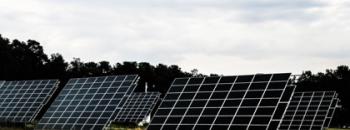
Blue Lake Rancheria Nested Community Microgrids

Project Update
This project started in September 2025 and is in the initial design phase. This has included the drafting of initial plan sets, meetings with the Blue Lake Rancheria, and configuring the test bed controllers in advance of connecting them to the simulator for microgrid modeling and control configuration work. Over 2026, the project team will complete design work, start procurement of long lead time equipment, and begin construction of underground medium voltage circuits.
The Issue
Rural electricity distribution circuits can have low reliability, a challenge that is exacerbated by climate change and growing wildfire risk. These circuits are often constrained in terms of load and generation hosting capacity. Hardening and upgrading these circuits to increase hosting capacity is costly and time consuming. This project will improve the reliability of service for the Blue Lake Rancheria and unlock hosting capacity through a novel nested microgrid architecture.
Project Innovation
The proposed project will demonstrate significant advancements in the state-of-the-art microgrid controls and grid integration. Specifically, the project will develop and demonstrate an automated, self-balancing, deeply decarbonized and resilient electrical distribution circuit serving multiple facilities with the ability to island strategic sections within a larger nested microgrid system. The controls, protections, and balancing innovations demonstrated in this project can serve as a model for other rural low reliability distribution circuits particularly serving tribal communities.
Project Goals
Project Benefits
This project will support lower cost, more reliable, and cleaner electricity for a historically disadvantaged tribal community. Additional benefits for Blue Lake Rancheria include improved safety by interconnecting more critical facilities inside the microgrid, increased energy security by providing more onsite generation that will be owned and operated by the tribe, and increased operational and knowledge sharing capabilities. Since BLR is a key site for supporting emergency response efforts during a variety of situations and natural disasters in our region, the reliability and resilience benefits of the project will also significantly support emergency services capabilities. The project can have broader benefits beyond the tribe by laying the technical groundwork for other grid modernization projects through knowledge exchange with utility engineers and local Tribal partners, and through well documented outcomes that can be used by regulators and policy makers to guide progress towards meeting California’s energy goals.

Affordability
The project will lower energy costs for the Rancheria by enabling the interconnection of more renewable generation and providing flexible demand. The innovative controls demonstrated in this project could open pathways to potential cost reductions for other ratepayers served by legacy circuits with limited hosting capacity and low reliability.

Reliability
The project will enhance reliability for 31 buildings on the Rancheria, as well as increased readiness for disaster response by prioritizing critical facility energy reserves in real time.

Safety
The project will support emergency response and public safety through providing reliable and resilient energy to BLR first responders, regional agencies who collaborate with BLR, and through emergency shelter operations. These support services, in addition to reliable supplies of gas, ice, power, and lodging for sensitive population groups, are critical for the region during natural disasters such as earthquakes, flooding, and wildfires.
Key Project Members

Subrecipients

Match Partners